

Your teenager is now old enough to stay home alone, prepare their own meals, and even get a part-time job. You trust them to get to school, manage their homework, and navigate social situations without you constantly hovering.
However, one question that likely crosses your mind frequently is: Are they actually brushing their teeth properly twice a day?
The honest answer? Probably not. In fact, their oral health faces new risks during adolescence, as new risks associated with the teenage years (such as energy drinks, vaping, and irregular eating habits) arise. The biggest change is that you can no longer supervise them as you did before.
This guide is designed to help you support your teen's oral health from ages 12 to 18, especially when you can no longer stand over them with a timer. We will discuss the most significant risks during these years, how to address oral health without triggering resistance, and what really deserves attention as they begin to make their own choices.
Why the Teen Years Matter

By the time your child reaches secondary school, all their adult teeth are in place. These are the teeth they'll have for the rest of their life, potentially another 60 or 70 years.
The habits they establish now (or fail to establish) tend to stick. Teenagers who brush their teeth well and make sensible choices about what they eat and drink usually carry those habits into their adult lives. Conversely, those who neglect their oral hygiene often struggle to regain good habits later.
New risks emerge during adolescence that were not as prominent in childhood. Energy drinks, vaping, and the responsibility of making their own food choices all present challenges. At the same time, your direct influence decreases, and you can no longer supervise their brushing or control their consumption as you once could.
This shift can be uncomfortable, but staying informed about these risks and maintaining open communication can still make a significant difference.
The outcomes we observe in practice reinforce this idea. Teenagers who maintain good oral health enter adulthood with confident smiles and healthy mouths, while those who do not often face cavities, extractions, gum issues, and the stress and costs associated with dental treatment in their twenties.
The teenage years represent a crucial window. What happens now will shape their oral health for decades to come.
Understanding the Risks
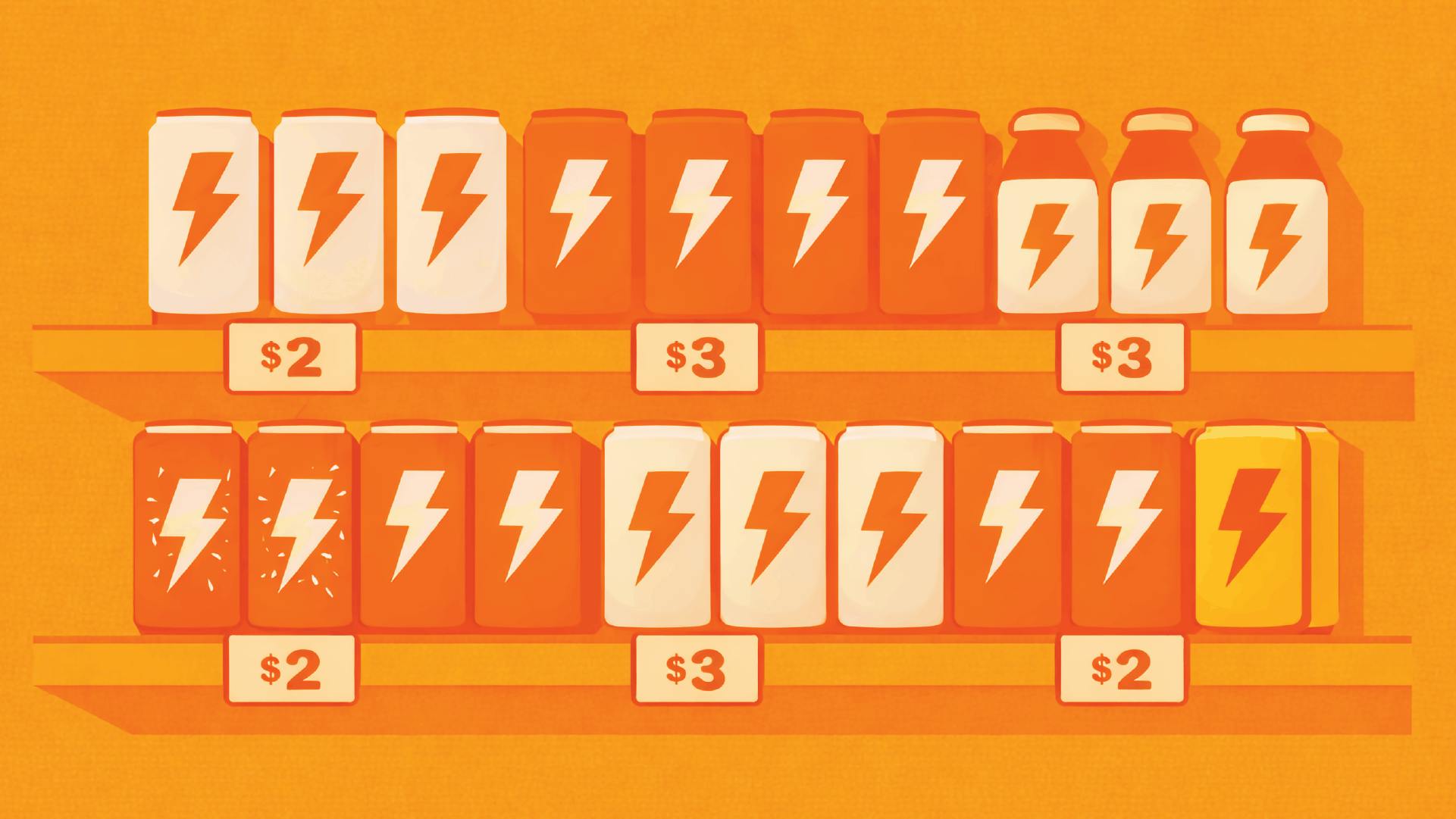
As energy drinks and vaping become more popular, it's important to understand how these trends and the complexities of orthodontic treatment can affect young smiles.
This section highlights the risks associated with these habits and provides essential tips for maintaining optimal oral health during adolescence.
Energy drinks
Energy drinks pose a significant threat to the dental health of teenagers.
They are extremely acidic and often contain high levels of sugar. This combination leads to acid erosion, which permanently damages tooth enamel and increases the risk of tooth decay.¹
Teenagers typically consume energy drinks over extended periods, such as while gaming, studying, or engaging in sports activities. Each sip restarts the acid attack on their teeth, meaning that a single can consumed over two hours can cause far greater damage than if it were consumed quickly.
It's important to note that even sugar-free energy drinks are highly acidic. While they may not lead to decay, they can still erode enamel.²
Due to the significant harm these beverages can inflict on dental health, the British Dental Association has called for restrictions on the sale of energy drinks to children and teenagers.²
Key points for parents:
- Energy drinks are not suitable for regular consumption by teenagers.
- The frequency of consumption is as important as the amount consumed.
- Even sugar-free options can harm teeth due to their acidic nature.
- Water is the best choice for staying hydrated.
Braces and orthodontic treatment
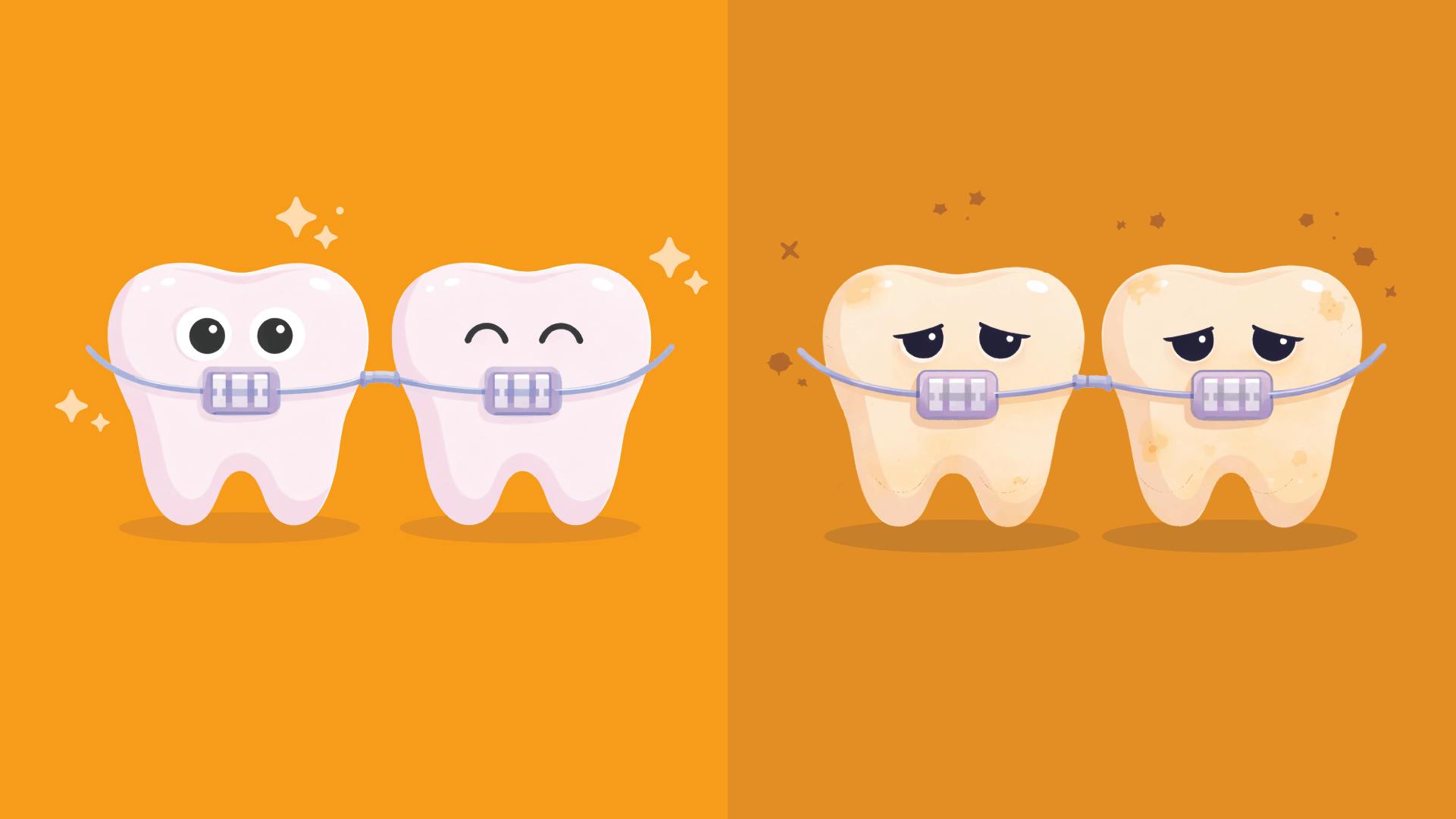
Many teenagers wear braces, and maintaining good oral hygiene during orthodontic treatment is crucial. Brackets and wires create spaces where food and plaque can accumulate, making it more challenging to clean teeth effectively when it matters most.
If oral hygiene is inadequate during treatment, permanent white marks, known as decalcification, can form on the teeth. These marks may become visible after the braces are removed and can be difficult to eliminate. This is a common issue that orthodontists encounter, and it can be disheartening for teenagers who have spent years wearing braces, only to find blemishes on their teeth afterwards.
Orthodontists expect patients to maintain excellent oral hygiene throughout their treatment. Poor cleaning habits can lead to longer treatment times or, in some cases, the premature removal of braces.
Additionally, wearing retainers after treatment is equally important. Teeth naturally tend to shift back to their original positions, so it is crucial to wear retainers as instructed, often every night for several years, to maintain the desired results.
Sugar and Acid: The ongoing challenge
The fundamentals of maintaining healthy teeth do not change during adolescence: sugar and acid remain the primary threats to dental health.
What does change is your teenager's independence. They begin to make their own choices about what to eat and drink, often influenced by peers, social media, and availability. While you can't control their choices, you can stay informed.
Watch out for hidden sugars in:
- Coffee shop drinks with syrups and flavourings
- Smoothies and fruit juices (which can be high in natural sugars and acid)
- Bubble tea
- Protein bars and "health" snacks
- Sports drinks
Remember, acidic foods and drinks can cause erosion even without sugar. This includes diet fizzy drinks, citrus fruits and juices, and vinegar-based foods. Just because something is labelled as "diet" does not mean it is safe for teeth.
It’s important to emphasise frequency: the number of times teeth are exposed to sugar and acid is what matters most. Grazing and sipping snacks throughout the day can cause more damage than consuming the same amount of sugar at mealtimes.¹
Supporting Your Teenager
Keeping the basics on track
The fundamentals of good oral health remain consistent as your child grows. Here are some key points to remember:
- Use a pea-sized amount of fluoride toothpaste, typically 1,450ppm.
- Brush for two minutes, twice a day
- Spit out the toothpaste WITHOUT rinsing.
Teenagers may rush through brushing or even skip it entirely, especially in the morning. Although you may not supervise them directly at this age, you can observe their habits. Signs that oral hygiene might be slipping include dry toothbrushes, unused toothpaste, and consistently quick bathroom visits.
Practical approaches:
- Keep dental supplies readily stocked to eliminate excuses.
- Consider electric toothbrushes with timers for reluctant brushers.
- Place a toothbrush by the shower for teens who prefer not to stand at the sink.
- Avoid daily nagging, but check in periodically.
Caring for braces
Brushing technique:
- Angle the brush to clean above and below the wire
- Use interdental brushes to clean between brackets and under wires
- Orthodontic brushes with smaller heads can help reach difficult areas
- Brush after every meal if possible. If not, at least rinse with water.
Foods to avoid:
- Hard foods: Nuts, hard sweets, ice, crusty bread
- Sticky foods: Toffee, caramel, chewing gum
- Chewy foods: Bagels, liquorice
- Biting into hard foods: apples and carrots should be cut into pieces
What happens if cleaning is neglected:
- Plaque builds up around brackets
- White spots (decalcification) can develop
- Decay may occur around and under brackets
- Gums can become swollen and bleed
- Treatment may be extended or stopped early
Supporting compliance: Nagging is usually ineffective with teenagers. Focus on the long-term outcome: they are investing years in treatment to achieve straight teeth. Poor cleaning habits can undermine that investment, leading to permanent marks.
Retainer care:
- Clean retainers daily with a toothbrush and cold water
- Avoid using hot water, which can warp the plastic
- Store retainers in the provided case when not in use.
- Wear retainers as instructed, usually every night initially and then as advised.
- Replace any lost or broken retainers promptly.
Mouthguards for sport
A knocked-out or broken tooth is a dental emergency that can have lifelong consequences. Mouthguards prevent most sports-related dental injuries.⁴
Sports that need mouthguards: Rugby, hockey, martial arts, boxing, cricket, basketball, and any contact sport. Many sports now require mouthguards for competition.
Why custom-fitted mouthguards are worth it: A mouthguard fitted by a dentist or specialist is moulded precisely to your teenager's teeth, ensuring it stays in place and allows for normal breathing and speaking. It offers much better protection compared to generic "boil and bite" guards from sports stores.
Braces and mouthguards: Teenagers with braces can still wear mouthguards. Orthodontic mouthguards are designed to fit over brackets, protecting both teeth and braces. Consult your orthodontist or dentist for guidance.
Caring for mouthguards:
- Rinse after each use
- Clean regularly with a toothbrush and cold water
- Store in a ventilated case
- Replace if damaged, ill-fitting, or after orthodontic treatment changes
Navigating drinks
Water should be the default drink as it hydrates without harming teeth.
Milk remains a good choice at any age as it's not acidic and contains calcium that supports teeth.
Energy drinks: If your teenager consumes them, limit their frequency—preferably not daily, and don’t let them sip over long periods or drink before bed when saliva flow decreases.
Coffee culture: While many teenagers enjoy coffee, the main issue is the addition of syrups, sugars, and flavourings. A plain black coffee or one with regular milk is much kinder to teeth than a caramel frappuccino.
For acidic drinks, using a straw can reduce contact with teeth. While it’s not a complete solution, it helps minimise damage.
Fizzy drinks, including diet versions: These are acidic and should be used only occasionally. Drinking them during meals rather than between meals can diminish their harmful effects.
Talking to your teenager
Lecturing rarely works. Teenagers tune out repeated warnings, especially about long-term consequences that feel distant.
What can work:
Focus on outcomes they care about. Mention that it affects their appearance and confidence, helps in avoiding pain, and prevents the need for dental work. "Your smile" often lands better than "your health."
Share information rather than instructions. "Did you know energy drinks are more acidic than cola?" opens conversation better than "Stop drinking energy drinks."
Pick your moments. A car journey or casual moment works better than a confrontation. Avoid raising oral health during existing conflict.
Be honest without catastrophising. Explain real risks without exaggerating. Teenagers spot exaggeration and dismiss the whole message.
Model good habits yourself. Your behaviour matters more than your words.
Know when to step back. You can inform and guide, but ultimately, they make their own choices. Focus on keeping communication open rather than winning every battle.
Dental visits
Regular check-ups should continue through adolescence. The dentist monitors adult teeth settling in, checks for decay and gum problems, and can spot issues early.
Your teenager can attend appointments independently if you prefer, though you may need to provide consent depending on the practice. Let them know they can ask questions and raise concerns directly with the dentist.
If you have concerns you'd rather share privately, most dentists are happy for parents to phone or email ahead.
What to expect at teen check-ups:
- Examination of teeth and gums
- Assessment of how adult teeth have come through
- Discussion of any concerns (diet, habits, cleaning)
- Professional cleaning if needed
- X-rays if indicated
- Fluoride varnish may still be offered
Setting Them Up for Adulthood
A teenager who leaves home at 18 with healthy teeth and good dental habits has a significant advantage. Such a teenager will spend less on dental treatments, avoid the pain and disruptions caused by fillings, extractions, and gum treatments, and feel more confident smiling in photos, during interviews, and in new relationships.
The investment you make now by staying informed, maintaining open communication, and modelling good habits will pay off throughout their adult life.
Parenting teenagers can be challenging, and you may not always get it right—nor will they. What matters is the overall pattern: fostering reasonable habits most of the time, being aware of potential risks, and maintaining a relationship where they feel comfortable asking questions or expressing concerns.
If you are worried about your teenager's oral health, your dentist can help. They work with many teenagers and often communicate important information in ways that resonate more effectively when shared by a professional rather than a parent.
Quick Reference
When to Get Help
See your dentist if you notice:
- Toothache or sensitivity
- Bleeding gums, especially if persistent
- White spots appearing on teeth (early decay or decalcification)
- Teeth looking glassy, transparent at edges, or unusually yellow (signs of erosion)
- Broken brackets or wires on braces
- Mouth sores that don't heal within two weeks
- Signs of teeth grinding (worn teeth, jaw pain, headaches)
- Any injury to the teeth or mouth during sport
Dental emergencies:
- If a permanent (adult) tooth is knocked out, keep it moist (milk is best) and see
a dentist immediately. Do not try to reinsert a baby tooth.³ - Broken tooth: see a dentist as soon as possible
- Severe pain or swelling: seek urgent dental care
Sensitive issues: If you're concerned about eating disorders, substance use, or severe anxiety affecting your teenager's oral health, speak to your GP or dentist. Dentists sometimes notice signs of eating disorders through patterns of tooth erosion before other symptoms are apparent. These concerns can be raised confidentially.


