

As your child starts school, it's wonderful to witness the new skills they are developing on their journey to independence. They are learning to read, tie their shoelaces, and, on good days, even prepare their own breakfast!
With this growing autonomy, you might assume they can brush their teeth all by themselves. Unfortunately, it’s not that simple, but we’re here to help!
This guide offers tips for supervising their brushing without being overbearing, handling loose teeth and gaps, understanding the impact of school snacks on dental health, and knowing when your child is ready to manage their own brushing routine.
Building Habits That Last
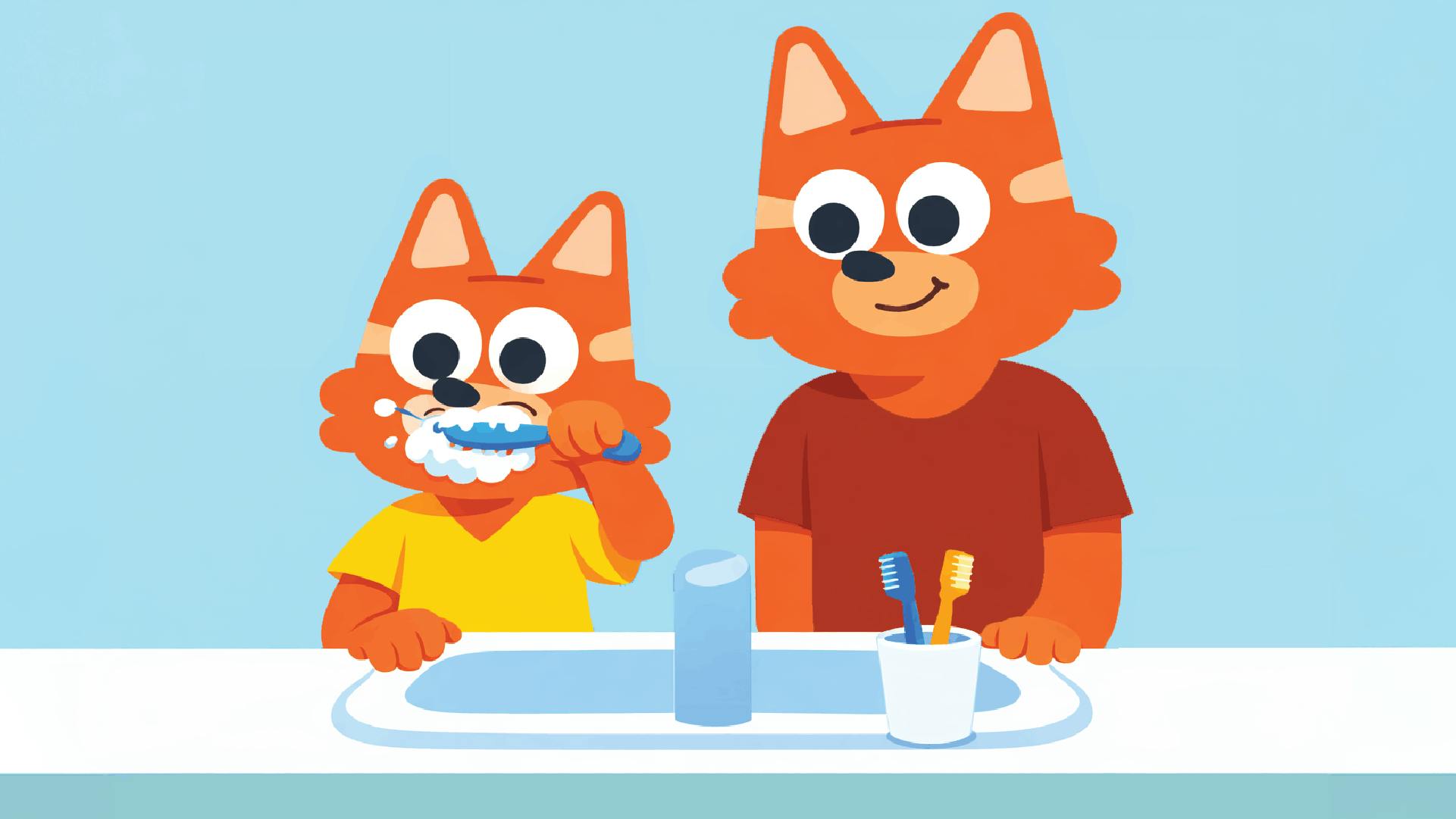
Your child is learning important life skills, such as reading and making friends, but they still need your guidance with dental care.
Between the ages of 4 and 11, adult teeth begin to emerge, making it essential to establish good dental habits for lifelong health. Children who maintain proper oral hygiene and eat healthily are more likely to have strong teeth and confident smiles by the time they reach secondary school. Conversely, those who neglect their dental care might face fillings, extractions, and anxiety related to dental issues.¹
Poor dental health can also affect school performance, as toothaches can hinder a child's ability to concentrate, eat, and feel confident among their peers. Tooth decay is a leading cause of absences and hospital visits for children under ten.
The good news is that consistent daily habits can make a significant difference. As your child gains more independence, your support and guidance will remain important for a few more years.
Getting the Basics Right
Brushing
Toothpaste: Use a pea-sized amount of toothpaste containing 1450 ppm fluoride.² Check the tube or box for the fluoride content. This is the standard strength in most family toothpastes.
How long: Brush for two minutes, twice a day. Once in the morning and once before bed, after the last food or drink.²
After brushing: Spit out the toothpaste. Don't rinse. Rinsing with water washes away the fluoride. Leaving it on the teeth gives longer protection.²
Supervision matters
Children need help with brushing until around age 7 or 8.²
This might surprise many parents, but while children may want to brush independently, they often lack the coordination needed to clean their back teeth thoroughly—especially when they are young. A good rule of thumb is that if they cannot tie their shoelaces neatly, they probably cannot brush their teeth effectively either.
Until they reach this age, you are still responsible for their oral care. Even after they begin brushing on their own, occasional spot checks can help ensure they are doing it correctly.
Sugar and teeth
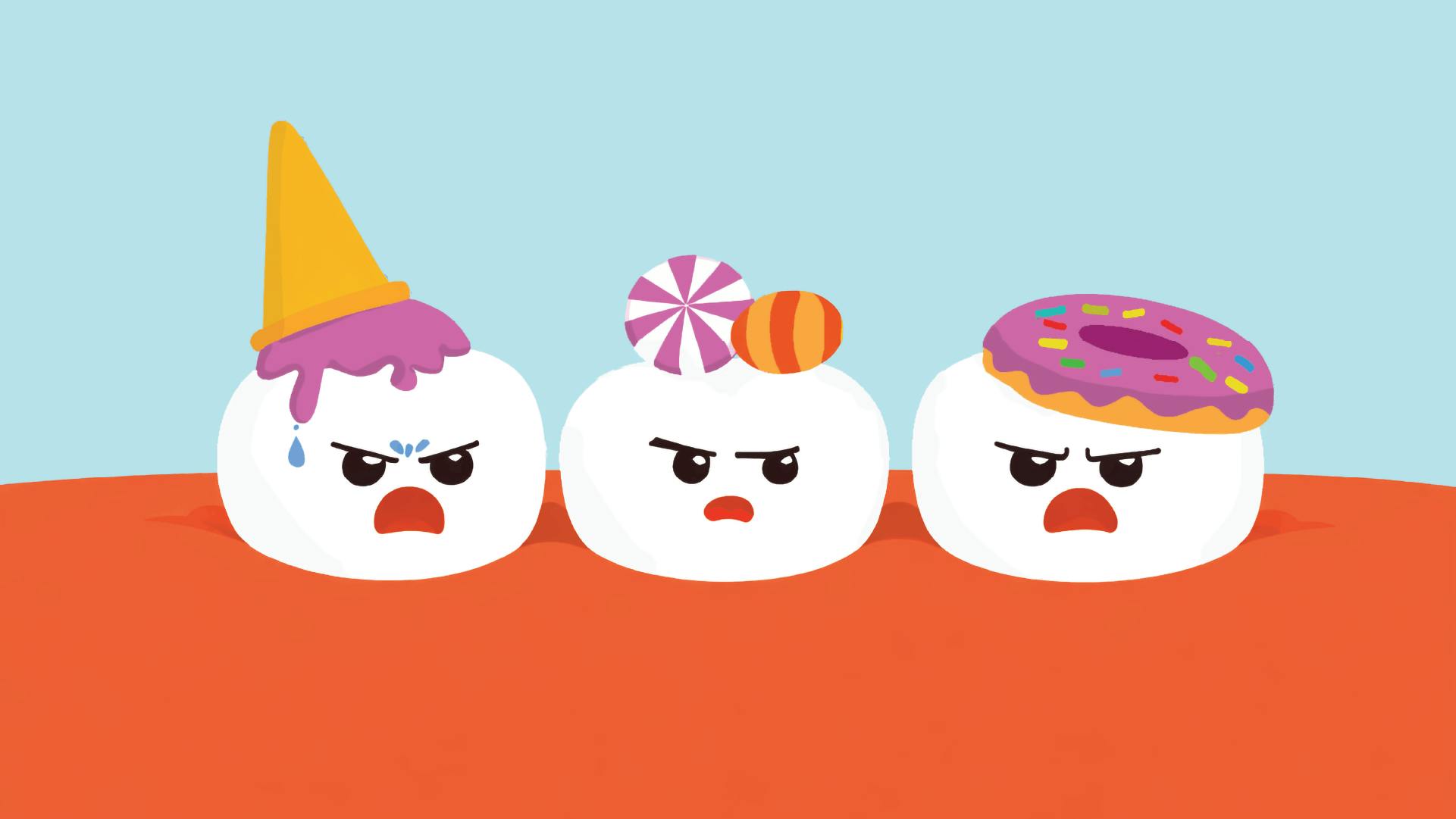
It's how often, not just how much.
Every time your child eats or drinks something sugary, the bacteria in their mouth produce acid. This acid attacks the tooth enamel. The teeth need time to recover between exposures.³
Eating a bag of sweets in one sitting at teatime is actually less harmful than grazing on a few sweets throughout the afternoon. Frequent small sugar exposures are generally more harmful to teeth than consuming sugary foods occasionally with meals.
The key message: keep sugary foods and drinks to mealtimes only.³
Watch for hidden sugars in foods that seem healthy: fruit juice, smoothies, cereal bars, flavoured yoghurts, dried fruit, and yoghurt drinks can all be high in sugar.
Drinks
Water and plain milk are the best drinks for teeth.³
These don't cause acid attacks and help keep the mouth healthy between meals.
Fruit juice: Even unsweetened juice is acidic and contains natural sugars. If you give juice, keep it to mealtimes only, dilute it well, and serve it in a cup rather than sipping from a bottle or carton.³
Squash and fizzy drinks: These are best kept as occasional treats at mealtimes. Sipping them throughout the day keeps the teeth under constant acid attack.
Sports drinks and flavoured water: These often contain sugar or acid. Check the label. Plain water is the best choice for hydration.
Dental visits
Regular check-ups help catch problems early.
Your child's regular check-ups, at intervals recommended by your dentist, often every six to twelve months, help catch issues early and build a trusting relationship with the dentist, making dental care less intimidating for your child.
At a check-up, the dentist will examine your child's teeth and gums, check how their adult teeth are coming through, and give advice. They may offer fluoride varnish, a protective coating painted onto the teeth that helps prevent decay.⁴
Children who visit the dentist regularly are more relaxed about dental care. The check-up becomes routine rather than something to fear.
Making It Work Day to Day
The brushing routine
- Morning: Incorporate brushing into your child's getting-ready routine. Whether you choose to brush before or after breakfast is up to you, but if they brush after eating, it is essential to remind them to spit rather than rinse.
- Evening: Brush after the last food or drink, before bed. The bedtime brush is the most important because saliva flow decreases during sleep, leaving teeth with less natural protection.²
Helping with technique
To ensure effective brushing, stand behind your child at the bathroom mirror. This position allows you to see what they see and makes it easier for you to guide their movements.
Check that they are reaching all surfaces: the front, back, and chewing surfaces of every tooth. The back teeth are often neglected.
Be mindful of how quickly they brush. Two minutes can feel longer than children expect. You can use a timer, a two-minute song, or a brushing app to help them keep track of time.
Electric or manual? Both work well if used properly. Some children find electric toothbrushes more engaging. Choose whichever your child will use consistently.
Handing over gradually
A great goal is to achieve brushing independence by around age 11, but this process occurs in stages:
- Ages 4-6: You brush their teeth or closely guide their hand throughout.
- Ages 6-8: They brush while you watch and help with tricky areas.
- Ages 8-10: They brush independently, but you spot-check regularly, especially the back teeth.
- Ages 10-11: They manage their own brushing with occasional checks.
Every child develops differently. Some may be ready for independence earlier, while others require support for a longer period. Follow your child's abilities rather than a strict age guideline.
School and food challenges
You can't control everything your child eats at school, parties, or friends' houses. That's normal, just focus on what you can influence.
Lunchboxes: Pack tooth-friendly options alongside any treats. Good choices are sandwiches, cheese, vegetables, plain crackers, or rice cakes, which allow teeth a break. Instead of juice or squash, include a water bottle.
Safer snacks: Cheese, plain yoghurt, vegetables, breadsticks, rice cakes, and toast are all good for teeth. Fresh fruit is a better choice than biscuits or sweets. However, fruit contains natural sugars, and some fruits are acidic, so include non-acidic fruits like bananas and melon as part of meals rather than as frequent snacks throughout the day.³
Treats at parties: Occasional parties with sweets and cake are acceptable. The frequency of consumption is what matters, not the occasional celebration. Daily habits are more impactful than special occasions.
Tuck shops and vending machines: Talk to your child about "sometimes foods" and why water is a better daily choice than fizzy drinks. Give them strategies rather than bans.
Wobbly teeth and adult teeth
Baby teeth usually start falling out around age 5 or 6. The front teeth go first, followed by the others over several years.
What's normal:
- A tooth may be wobbly for several weeks before falling out
- There may be a small amount of bleeding when a tooth comes out.
- The adult tooth usually appears larger and more yellow than the baby tooth it replaces.
- There will be a gap while waiting for the adult tooth to grow in fully.
The first adult molars arrive around age 6. These appear at the back of the mouth without a baby tooth falling out first. They're easy to miss but important to protect. Make sure your child's brushing reaches these new back teeth.²
See the dentist if:
- A baby tooth isn't falling out, but the adult tooth is coming through behind it
- An adult tooth is coming through in an unusual position
- Your child experiences pain from a wobbly tooth
- A tooth is knocked out or damaged in an accident
Sports and activities
Mouthguards are essential for protecting teeth during contact sports. If your child participates in rugby, hockey, martial arts, or similar activities, consult your dentist about a properly fitted mouthguard.⁵
A mouthguard from the dentist will fit better and provide more effective protection than a generic one purchased from a sports store.
Setting Them Up for Life
The years between ages 4 and 11 are crucial for your child's development. The habits they build during this time become automatic as they grow. By the time they reach secondary school, brushing their teeth twice a day and choosing water over sugary drinks should feel natural, not like a chore.
Children who arrive at adolescence with healthy teeth have a significant advantage. They are less likely to experience the pain, missed school days, and anxiety associated with dental issues. Plus, they feel more confident smiling in photos and talking to friends.
The adult teeth coming through now need to last for 70 or 80 years. Spending just two minutes brushing twice a day, making sensible choices about sugar intake, and keeping up with regular dental check-ups are small efforts that will pay off over a lifetime.
It's important to remember that you won't get it right every day. There will be mornings when brushing is rushed and occasions when they eat more sweets than you would prefer. That’s just part of everyday family life. What truly matters is the overall pattern of consistent habits most of the time.
If you ever have concerns about your child’s teeth, don’t hesitate to consult your dentist for guidance.
Quick Reference
When to Get Help
See your dentist if you notice:
- Toothache or sensitivity to hot, cold, or sweet foods
- White or brown spots on teeth
- Red, swollen, or bleeding gums
- Visible holes or damage to teeth
- An adult tooth coming through in an unusual position
- A baby tooth not falling out when an adult tooth is coming through behind it
- Any injury to the teeth or mouth
- Concerns about how your child's teeth are developing
For dental emergencies: If a permanent tooth is knocked out, keep it moist (milk is best) and see a dentist immediately. Do not try to reinsert a baby tooth.
If you're unsure whether something needs attention, ask. Dentists are happy to check and reassure you.


